Tanzania

Best Season
Jun-Oct and Dec-MarIdeal Stay
7-12 DaysTravel Focus
Safari and BeachAvailability
Year RoundPlan Your Tanzania Safari With Simba Guides
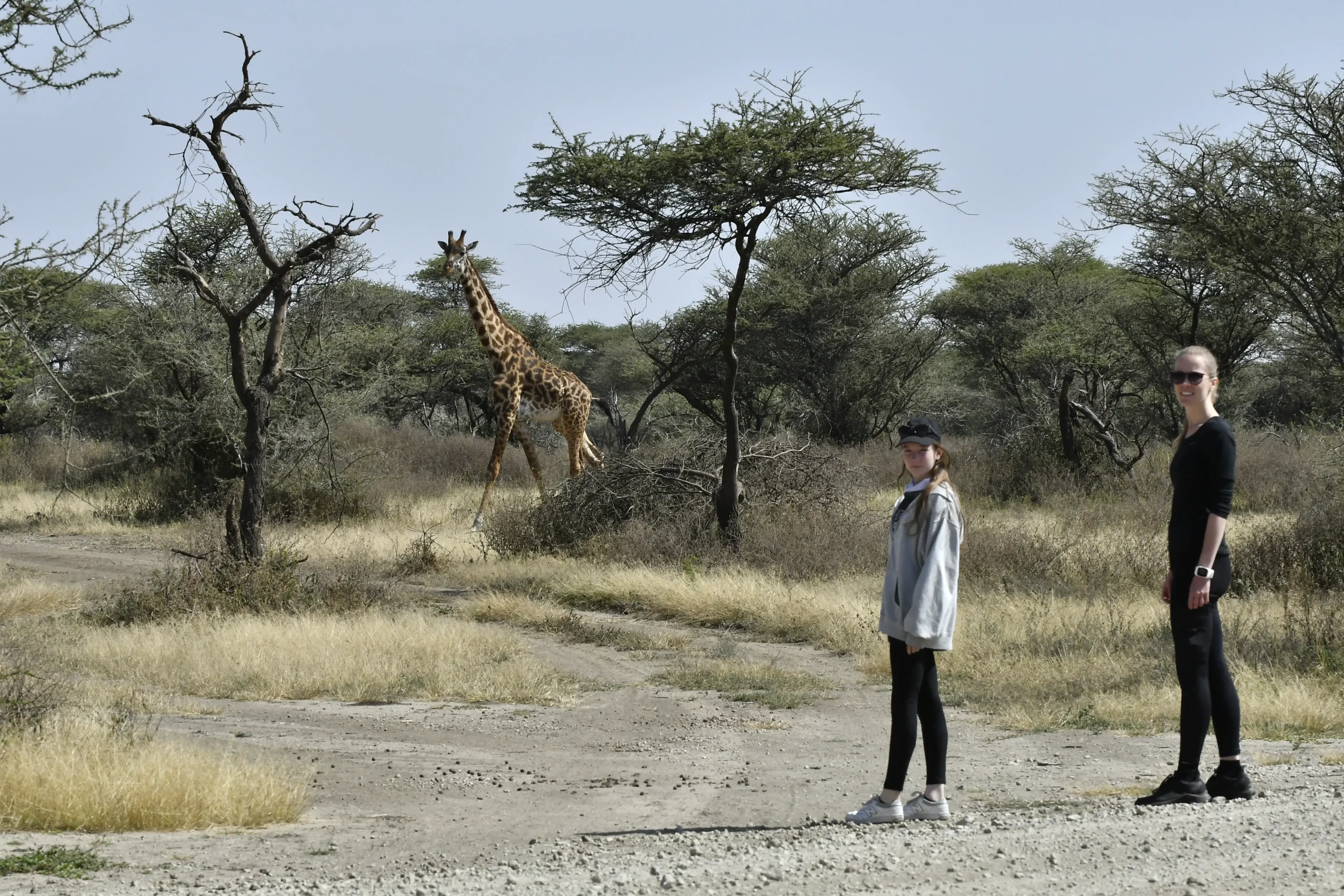
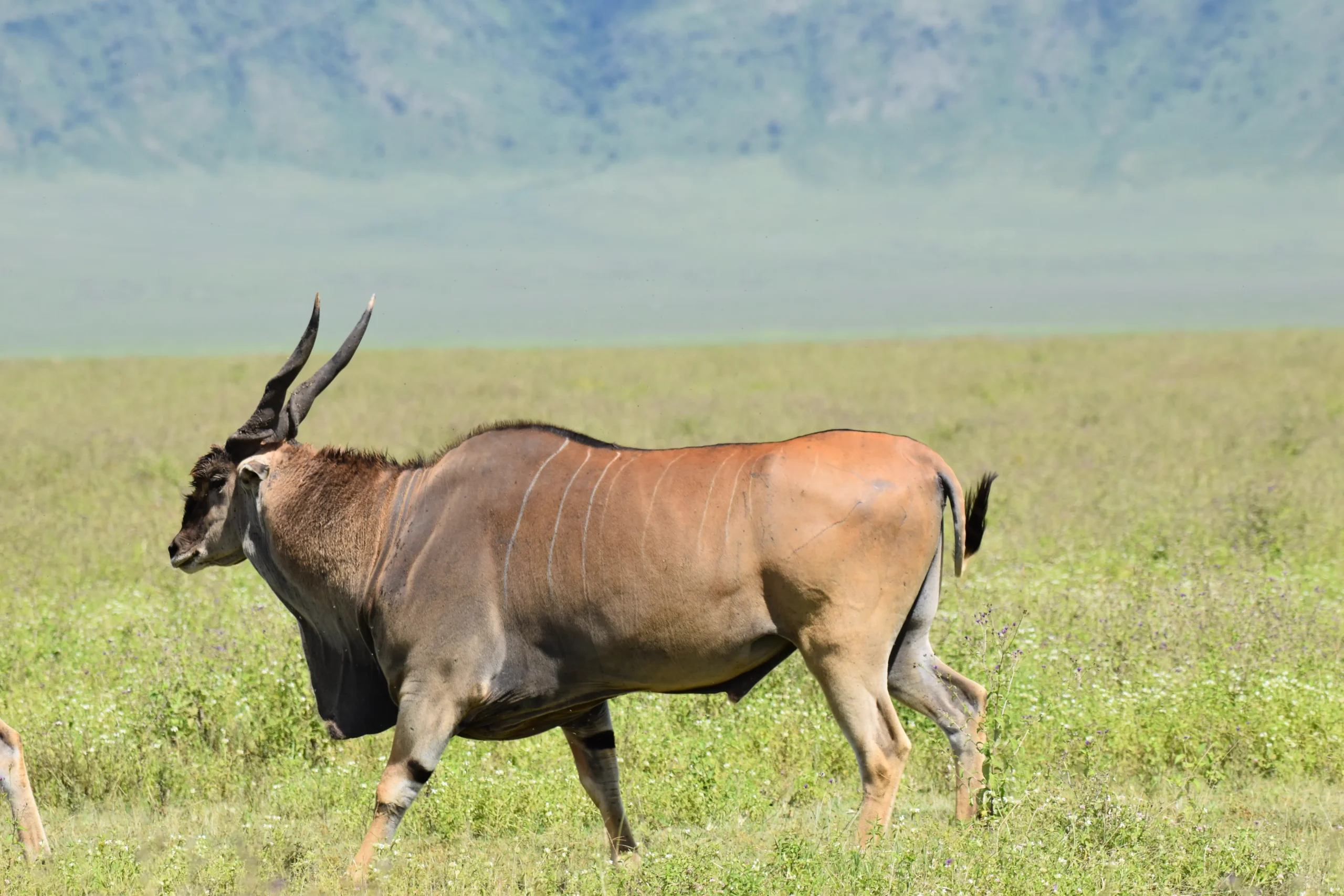
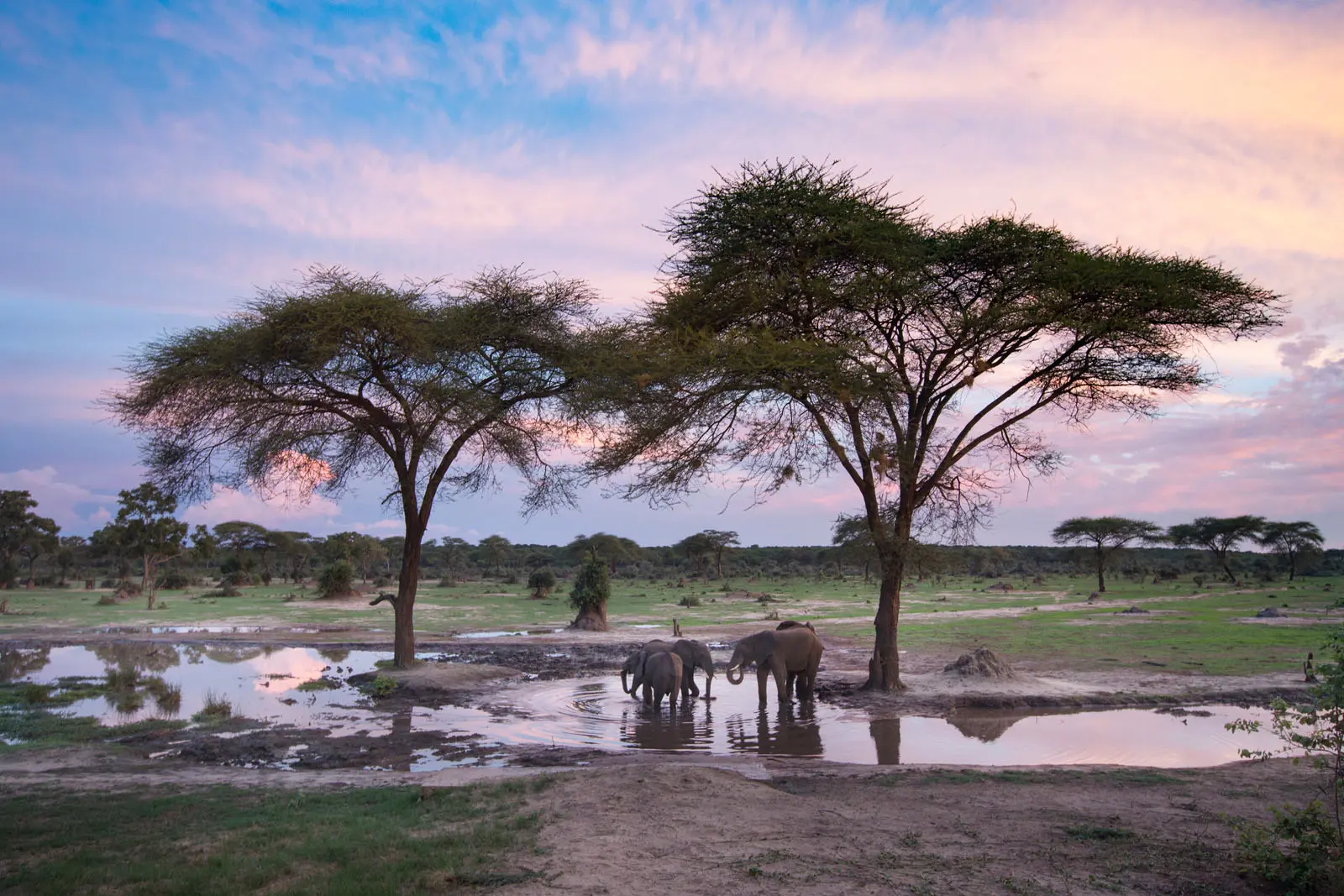
Tanzania is a beautiful East African country known for vast wilderness areas, white-sand beaches, and rich culture. The country is home to major parks and reserves such as Serengeti, Mount Kilimanjaro, and the Ngorongoro Conservation Area, where guests can see elephants, lions, zebras, and giraffes in the wild.
With such distinctive topography, Tanzania's weather varies by region. Coastal areas and islands like Zanzibar are warmer and humid, while the central highlands are cooler. Northern areas near Kilimanjaro and Serengeti can turn cold and rainy during long-rain periods.
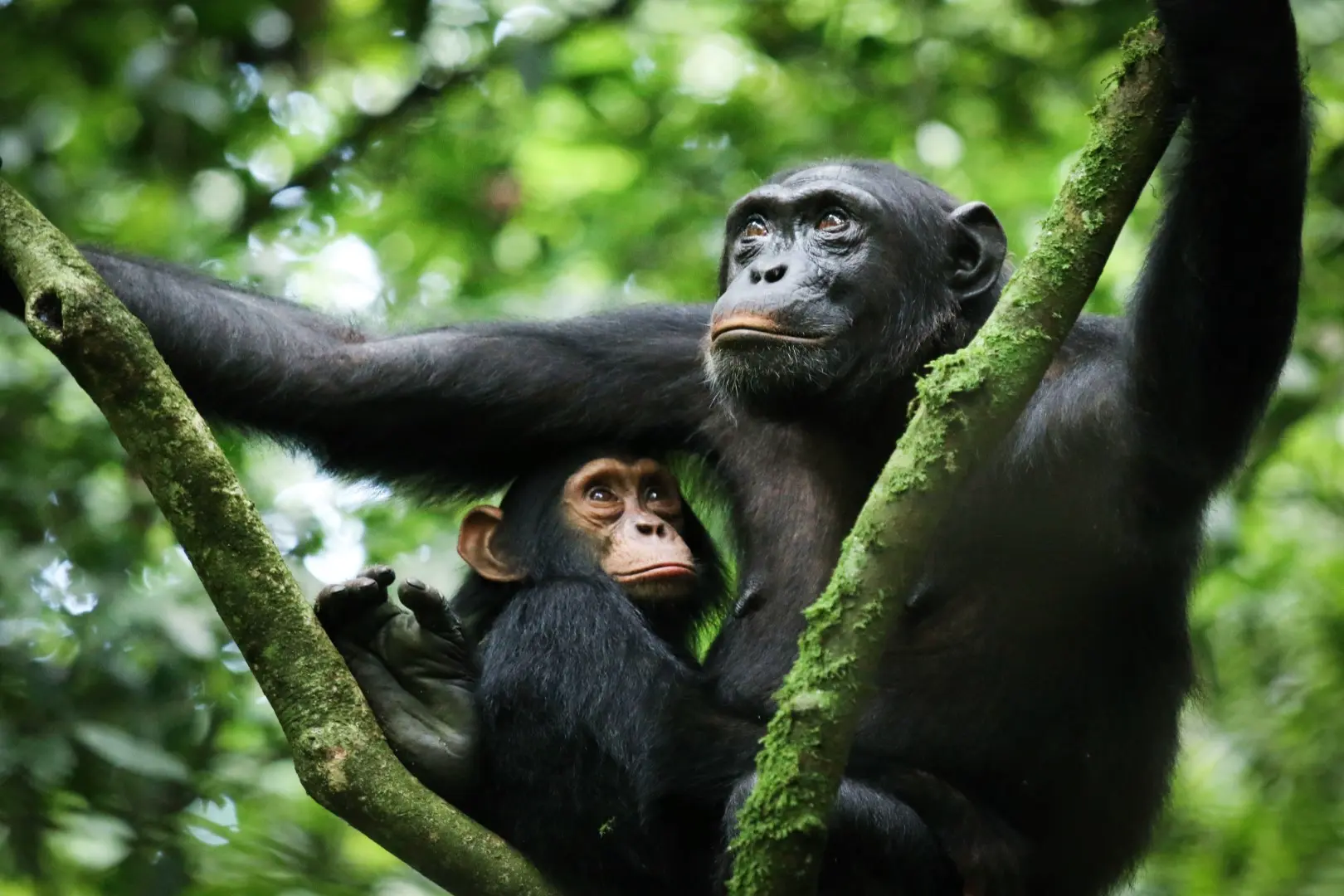
Top highlights include: Mikumi National Park, Arusha National Park, Nyerere National Park, Manyara National Park, Ruaha National Park, Mkomazi National Park.
Destination Highlights
Destination detail, popular attractions, and climate guidance
Destination Detail and Popular Attractions
Compiled from the previous Simba Guides destination content and mapped to this template layout.
- Popular attractions: Mikumi National Park, Arusha National Park, Nyerere National Park, and Manyara National Park.
- Additional attractions: Ruaha National Park, Mkomazi National Park, Gombe National Park, and Mahale National Park.
- Tanzania is a beautiful East African country known for its vast wilderness areas, white sand beaches, and diverse culture.
- The country is home to major parks and reserves such as Serengeti, Mount Kilimanjaro, and Ngorongoro, where guests can see elephants, lions, zebras, and giraffes.
Climate and Weather
Seasonality notes to help plan realistic travel windows and route pacing.
- With such distinctive topography, Tanzania's weather varies depending on the region.
- In general, Tanzania is a tropical country with a warm climate, characterized by two distinct seasons, the rainy season and the dry season.
- The coastal regions and islands, including Zanzibar, tend to be hot and humid throughout the year, with rainfall occurring from November to May.
- The central highlands are cooler, with occasional rainfall between December and March, while the northern region near Mount Kilimanjaro and the Serengeti can be quite cold and rainy from April until June.
Great Migration and Planning Notes
Detailed notes and field-oriented guidance extracted from old destination pages.
- Why do wildebeest migrate: the 800-kilometer trek follows seasonal rain and fresh grass. Herds move clockwise from south to west to north, then back south as grazing conditions change.
- Great Migration in short: calving starts in Southern Serengeti, then herds move north toward the Mara, crossing major rivers before returning south with the short rains.
- Great Migration in detail: timing can never be guaranteed. Annual movement follows rainfall patterns, but exact crossing dates and herd positions vary year by year.
- August-September: many herds cross toward the Mara region. Some groups remain on the Tanzanian side and may cross back and forth multiple times.
- October-November: herds usually begin the southbound return across northern plains and Lobo, then move toward Ndutu calving grounds by late November.
- When to visit: Serengeti is year-round, but target zones shift by season - southeast/Ndutu (Dec-May), western corridor (May-Jul), Mara area (Jul-Oct), and north/Lobo (Oct-Nov).